Sirdar
It may come as a surprise, but many yarn companies don’t actually manufacture their own yarn. Instead, they work with mills to develop their collections, distribute yarns produced by other companies, or—in the case of many hand-dyers—begin with base yarn spun elsewhere.
Sirdar is a little different.
With a history stretching back more than 145 years, Sirdar has been part of the textile industry since the reign of Queen Victoria.
From West Yorkshire to the Yarn Shop
Sirdar’s story began in 1880, when brothers Tom and Harry Harrap established a spinning business in West Yorkshire, England, supplying yarn to the hosiery and fabric industries.
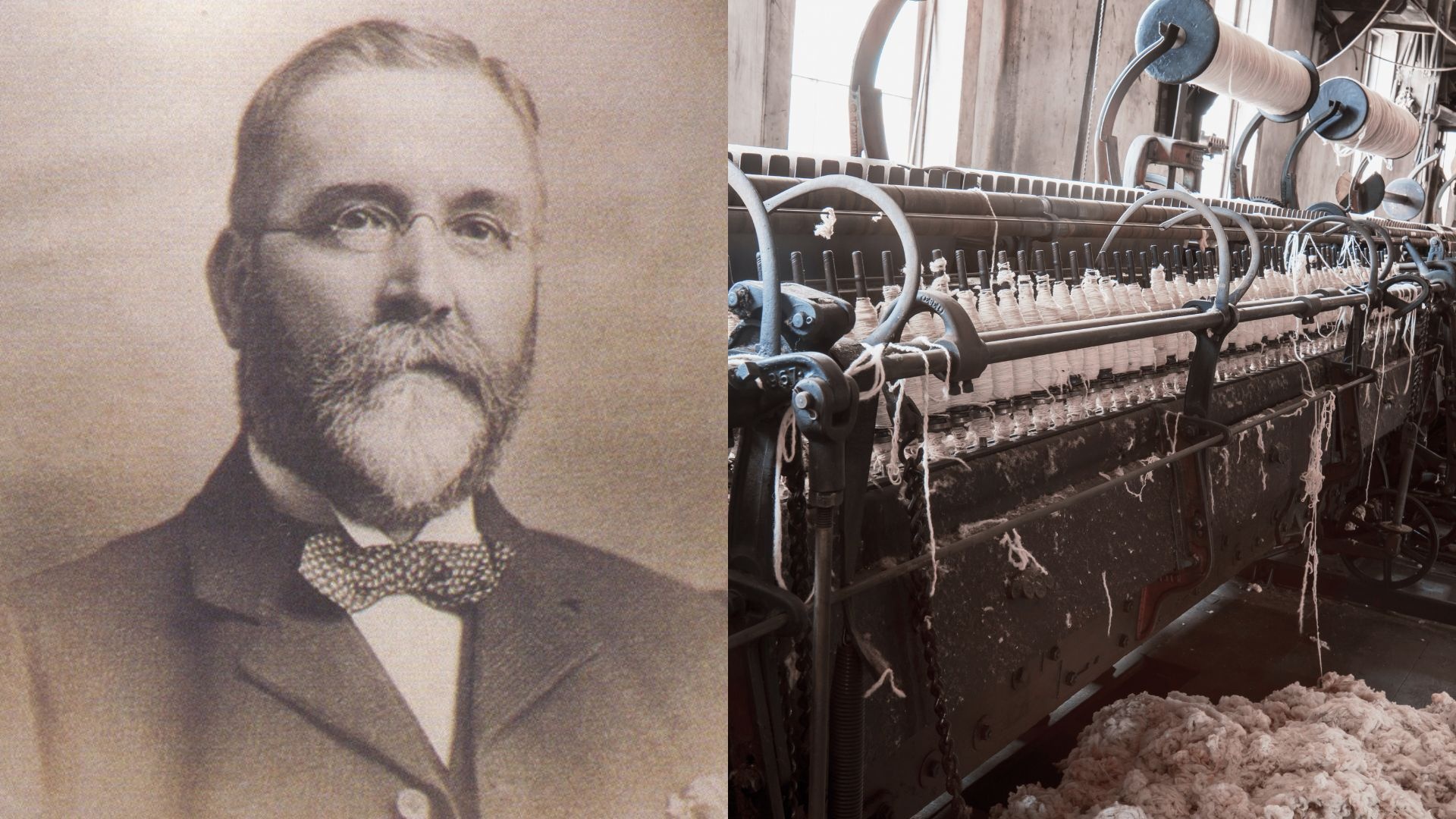
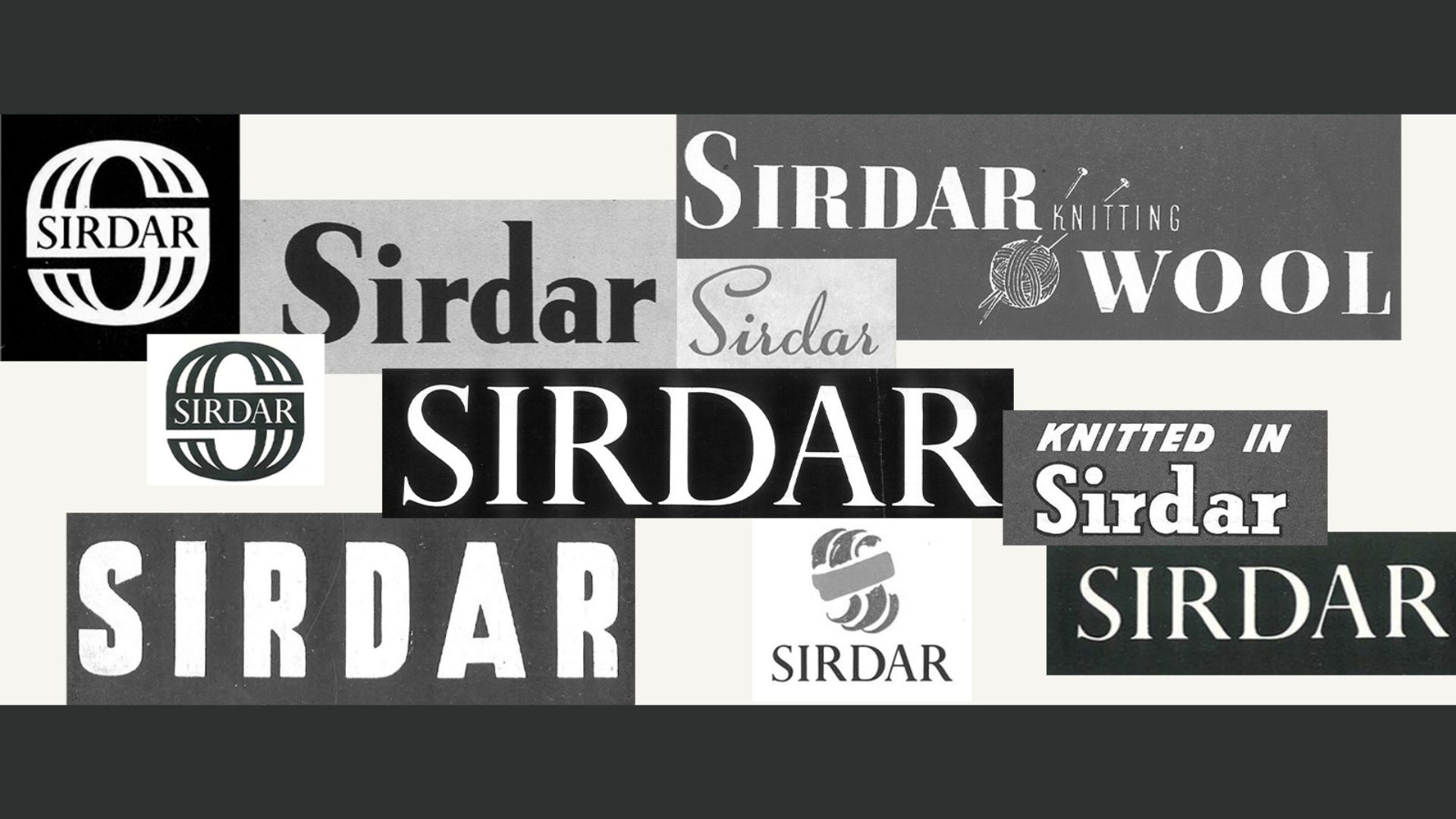
It was very much a family business. Tom’s son, Fred, later recognized the growing potential of hand-knitting yarns, and by the 1930s the company was supplying hand-knitting yarn exclusively to retailers under the name Sirdar—a word meaning “leader.”
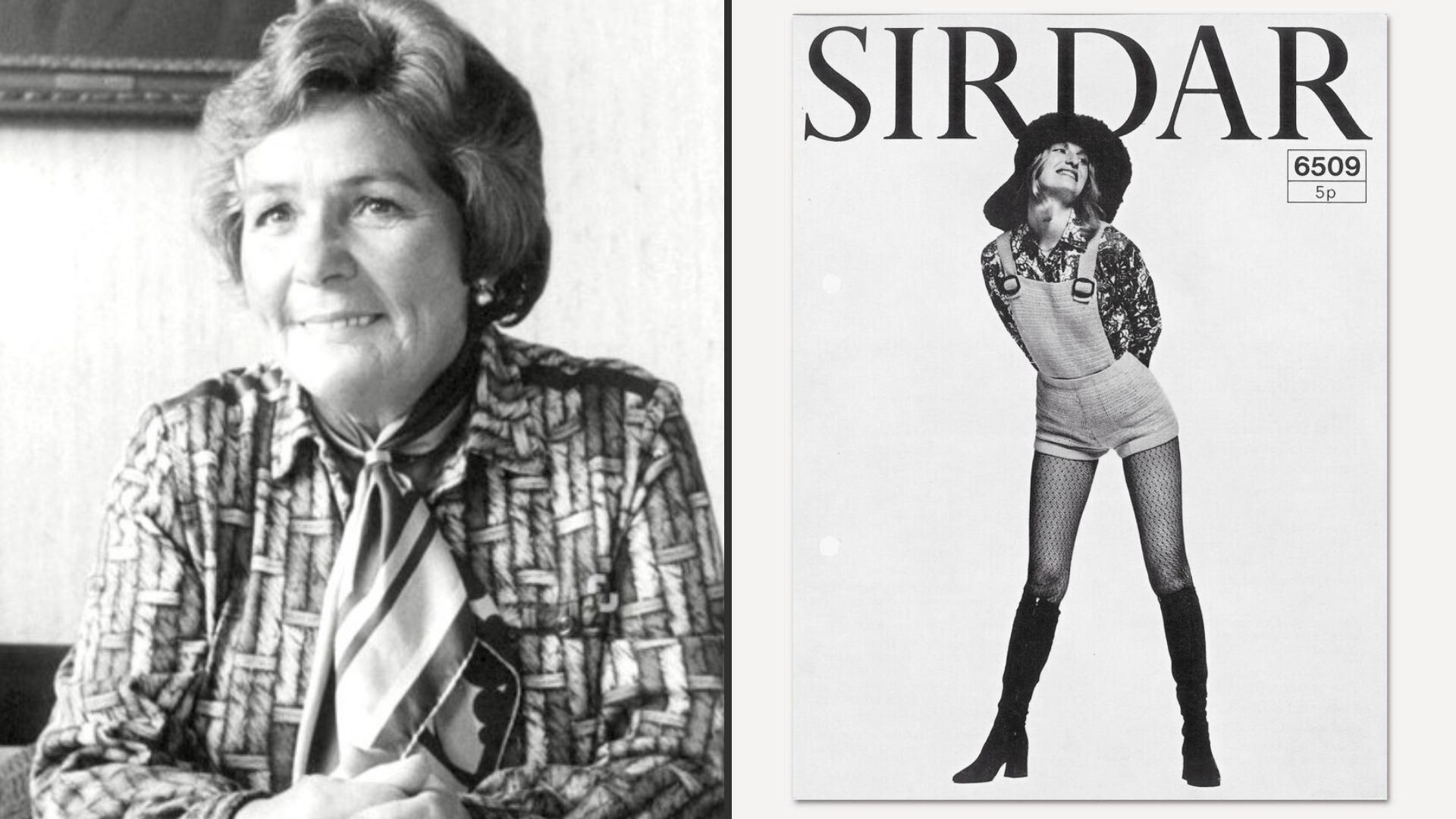
The next generation continued to shape the company. In the 1960s, Tom’s granddaughter Jean Tyrell took charge, overseeing a period of expansion, investing in new technology, and acquiring the Hayfield label.
Her vision was decidedly modern for the time: a younger, more fashion-conscious image combined with convenience. Machine-washable synthetic blends became an important part of the collection, reflecting the changing lifestyles of knitters and the fashions they wanted to make.
Behind the Sirdar Label
In 1969, Sirdar produced a promotional film called Behind the Sirdar Label, offering a fascinating look inside the company’s manufacturing process.
Some parts are very much a product of 1969. Today’s female mill workers probably wouldn’t be expected to work in dresses and heels—and I suspect they would be less than thrilled about being referred to as “girls.”
The yarn-making itself, however, is fascinating.
Much of the basic process will still look familiar today, making the film an especially interesting glimpse into both textile history and the amount of work that goes into producing a skein of yarn.
A Long Tradition of Pattern Design
Sirdar has maintained its own in-house design team since 1930, creating an enormous archive of knitting patterns along the way.
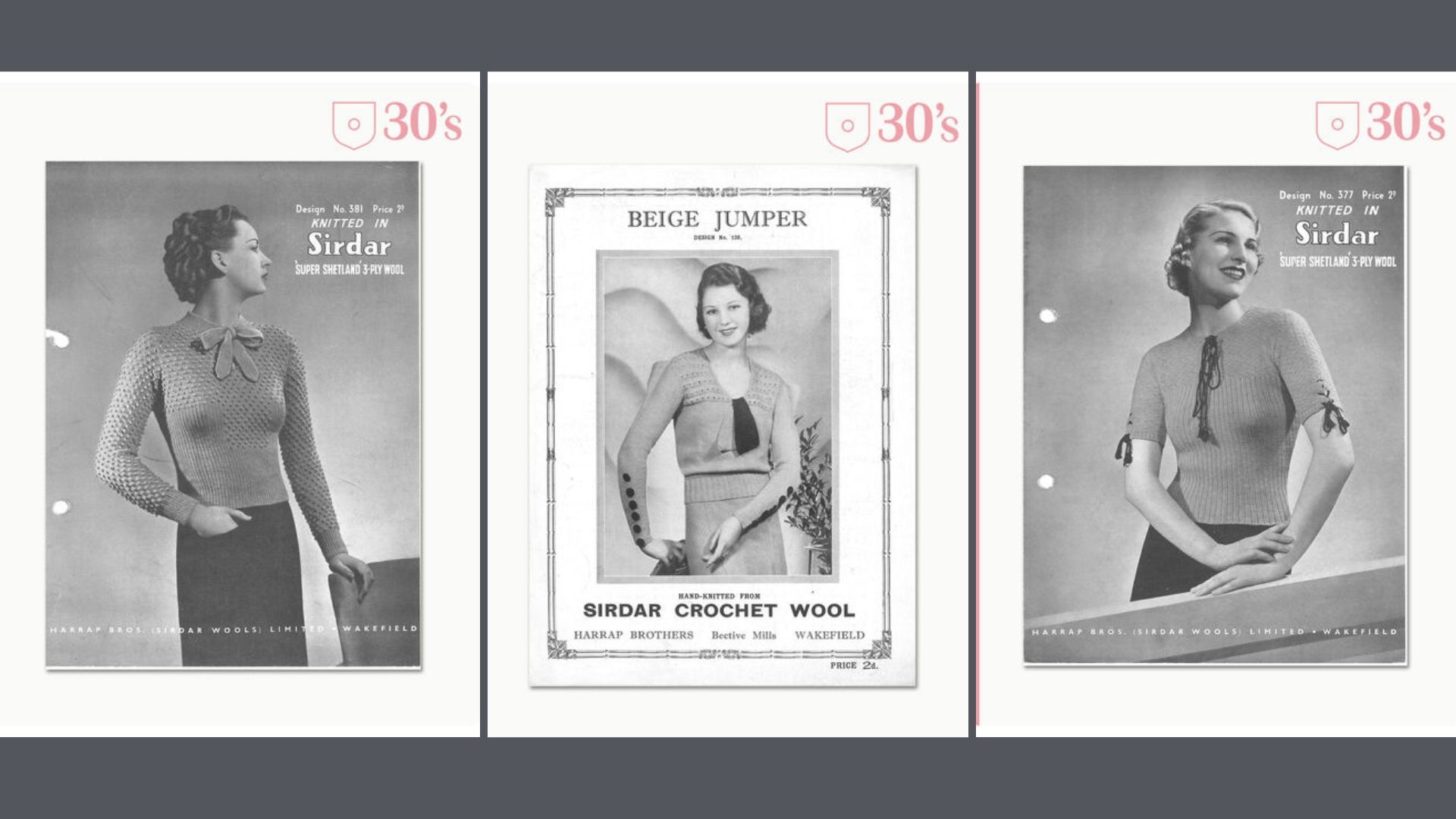
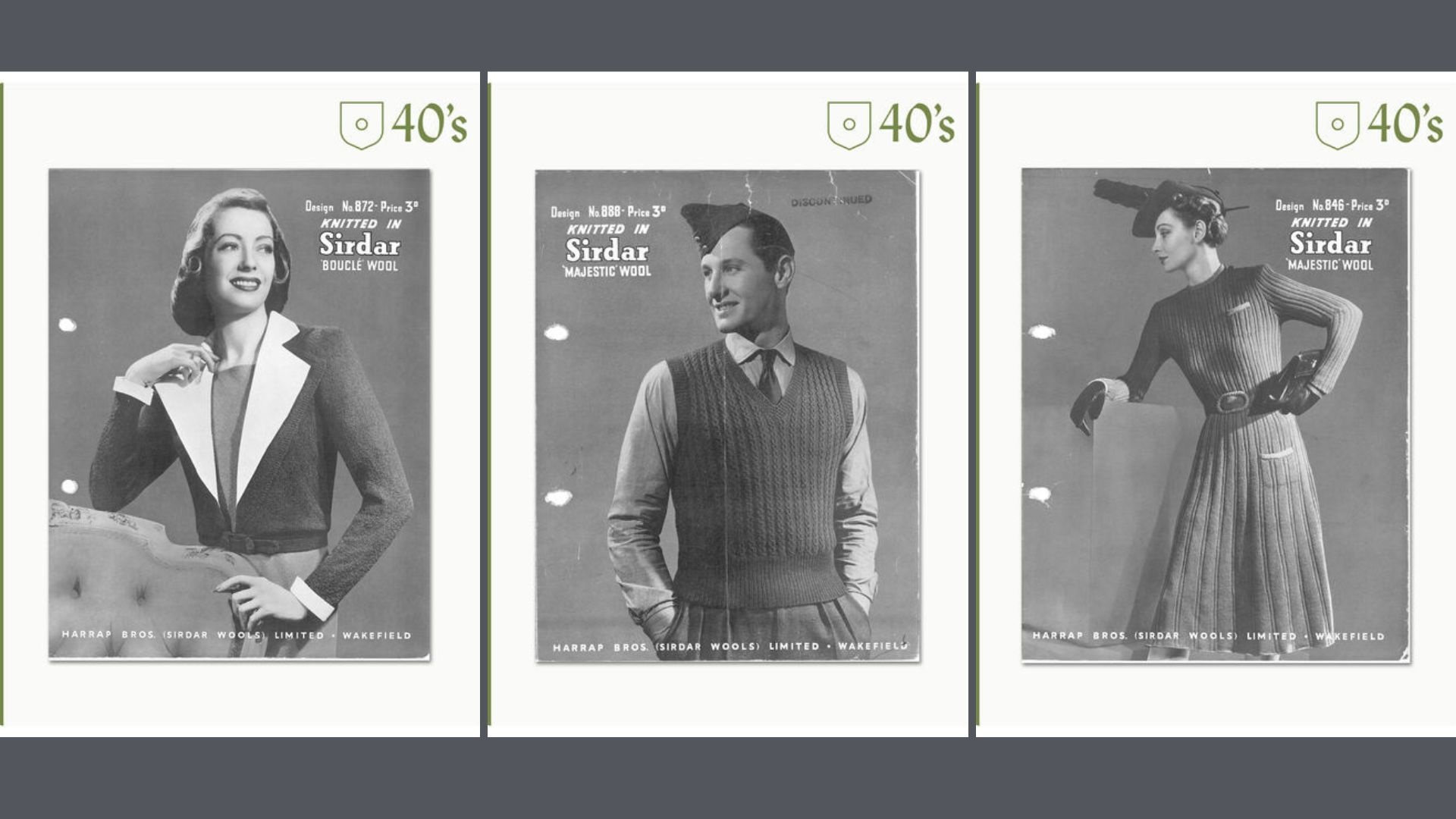
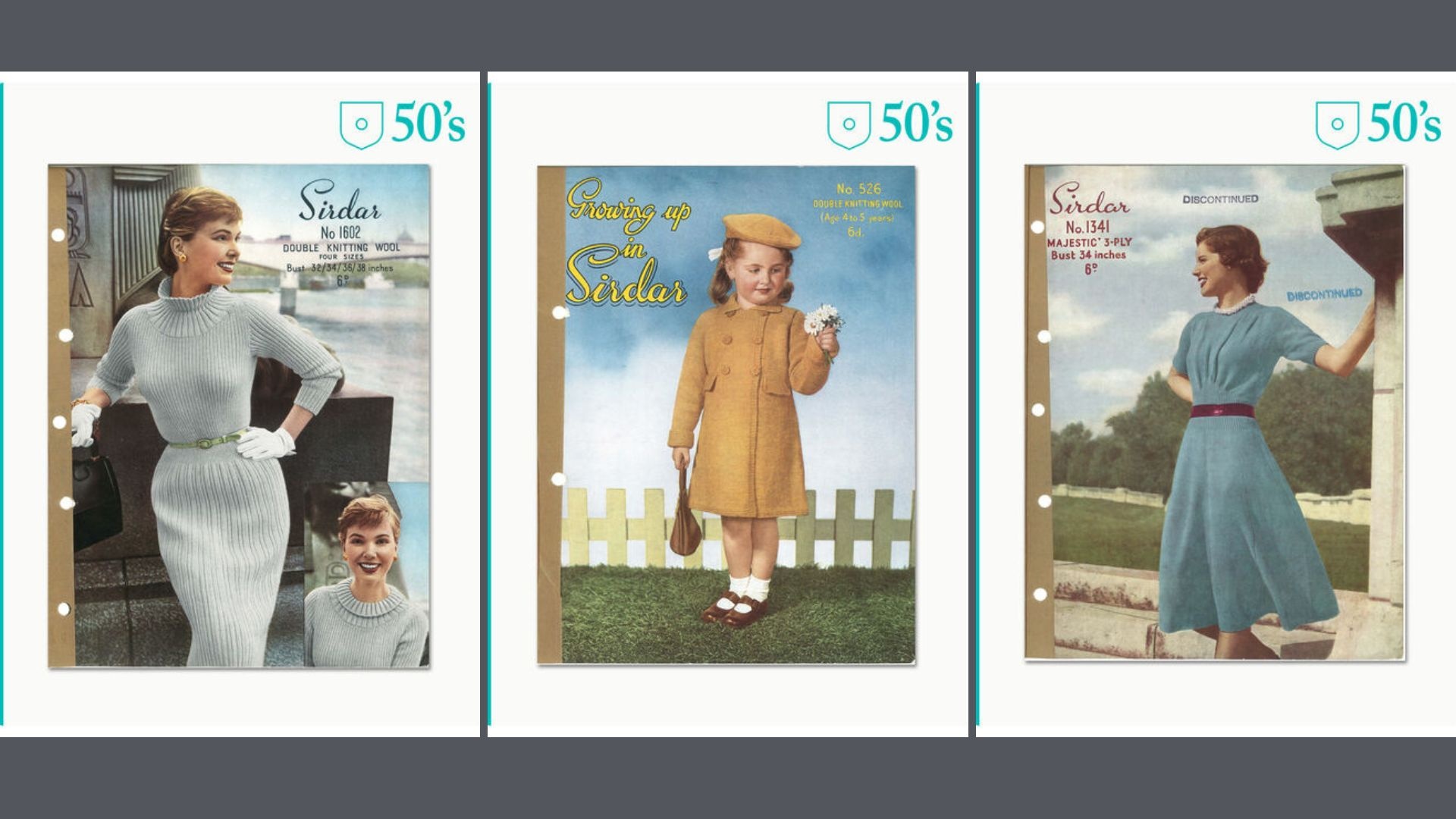
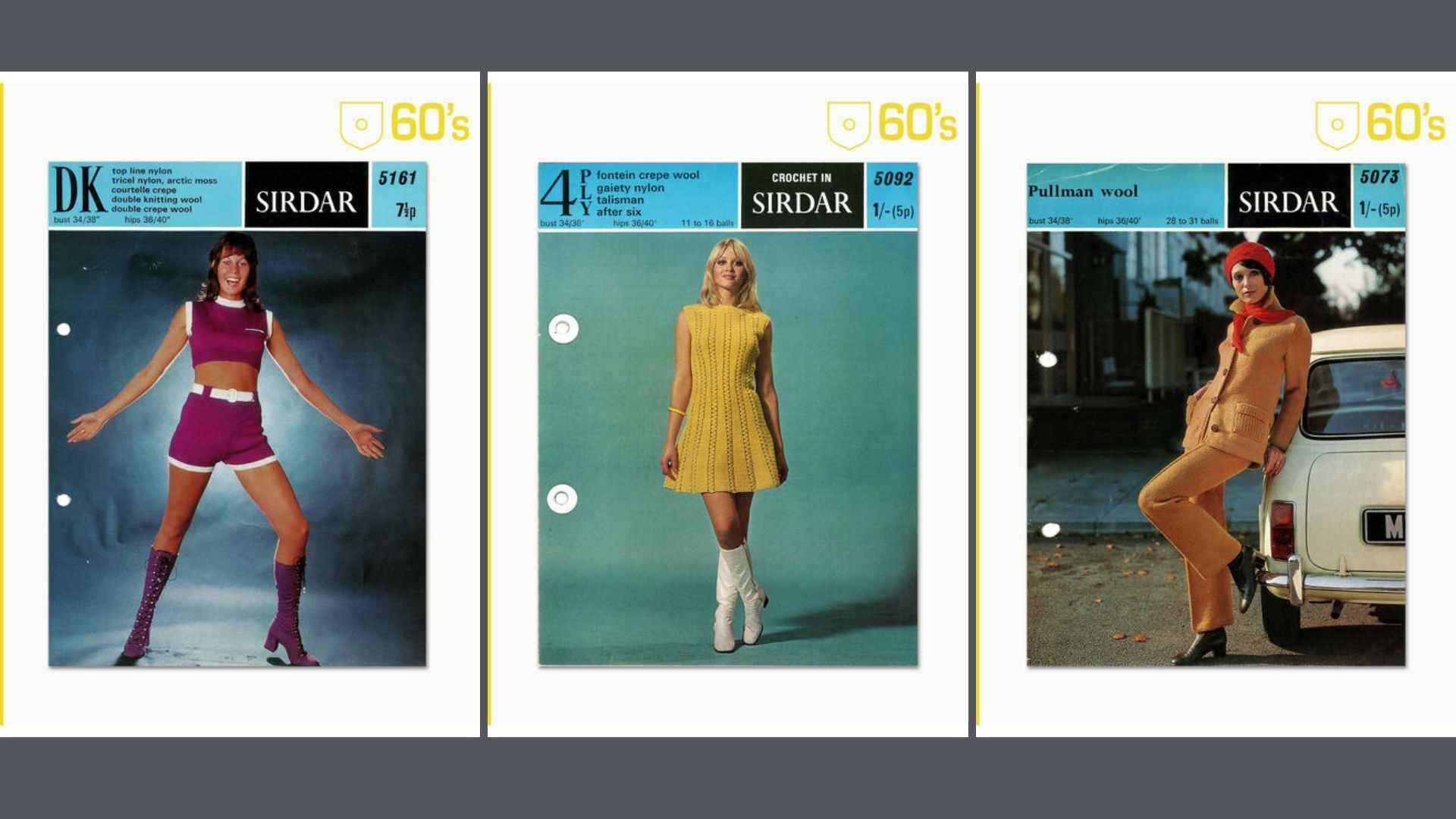
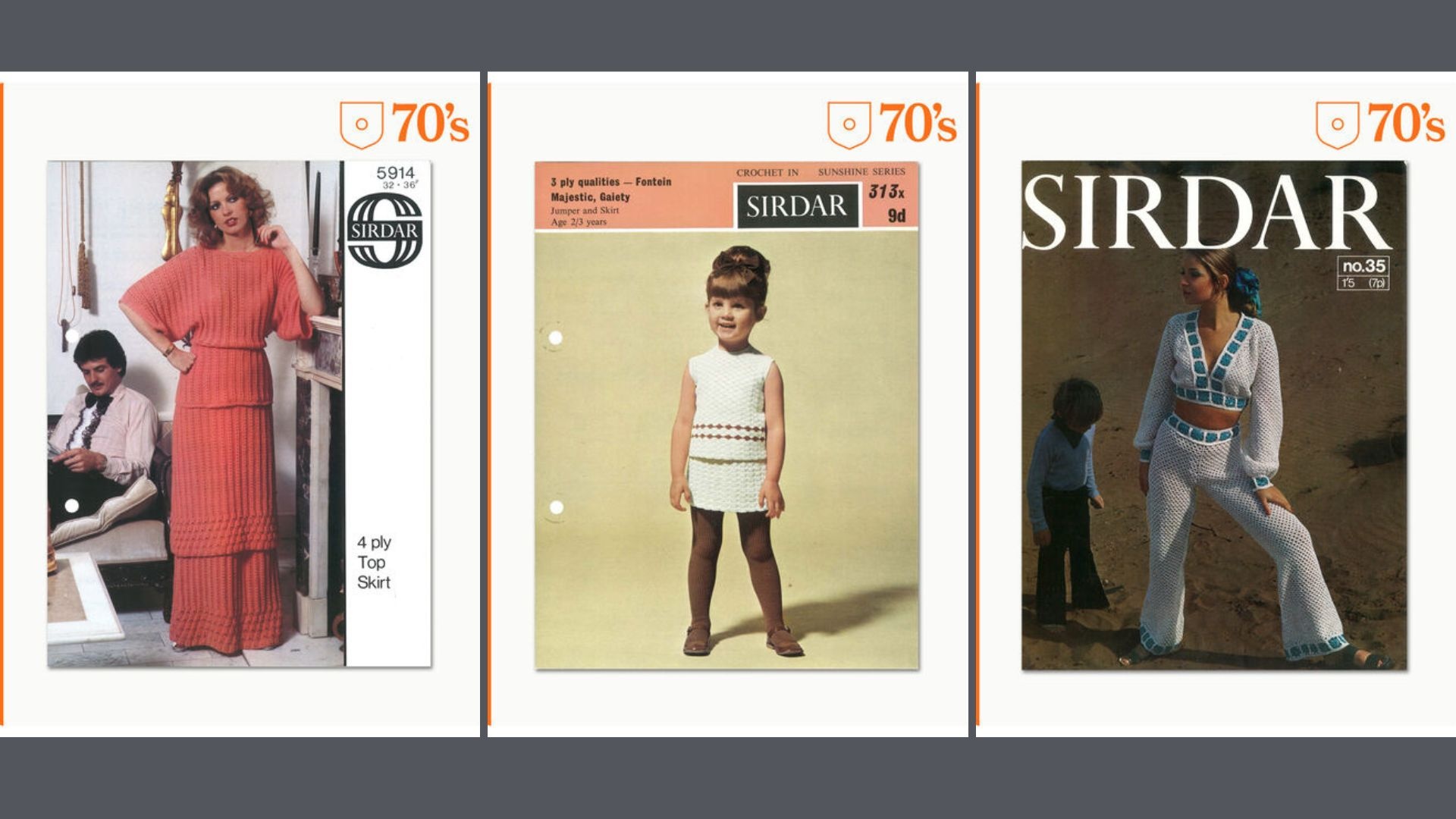
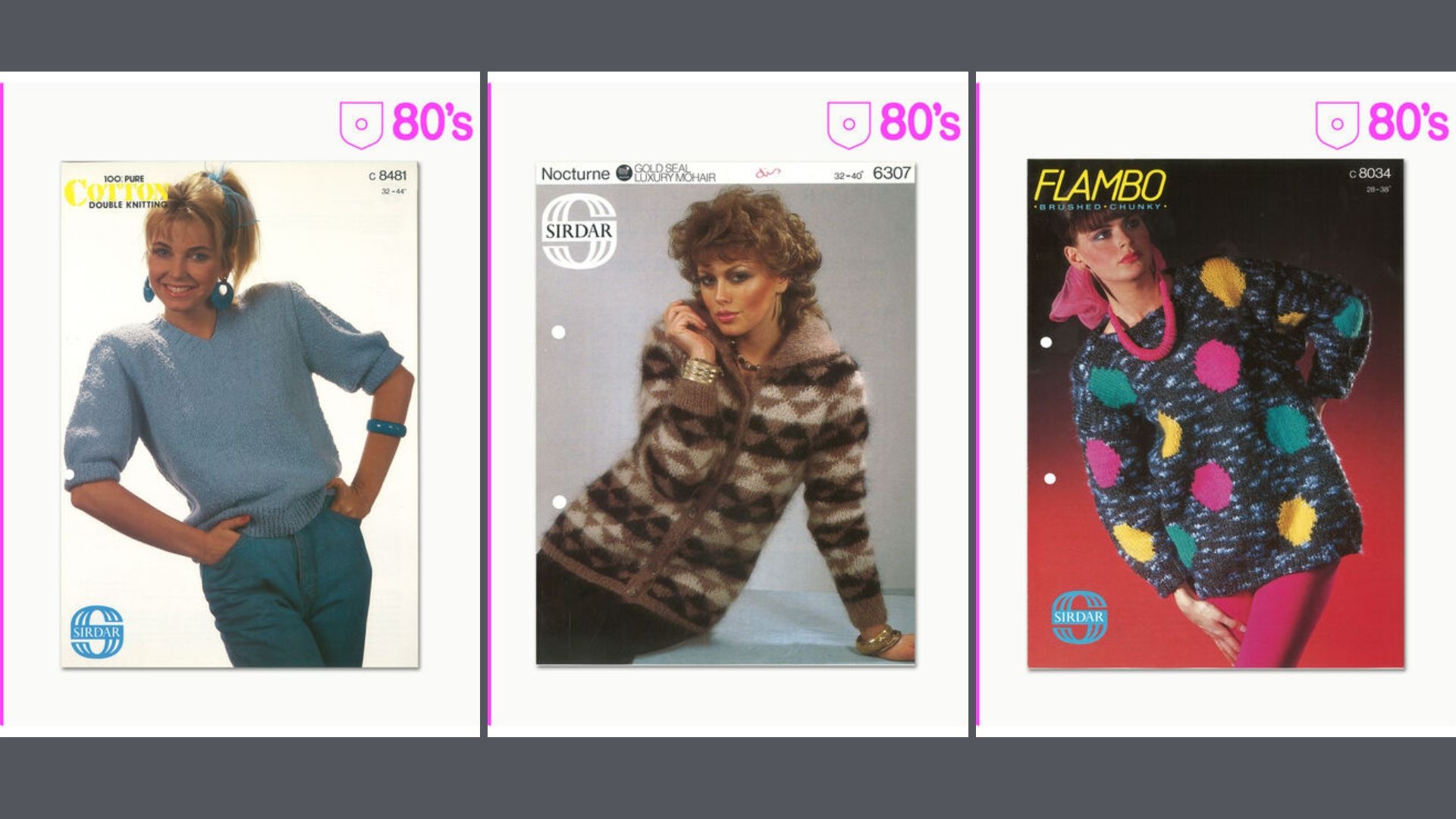
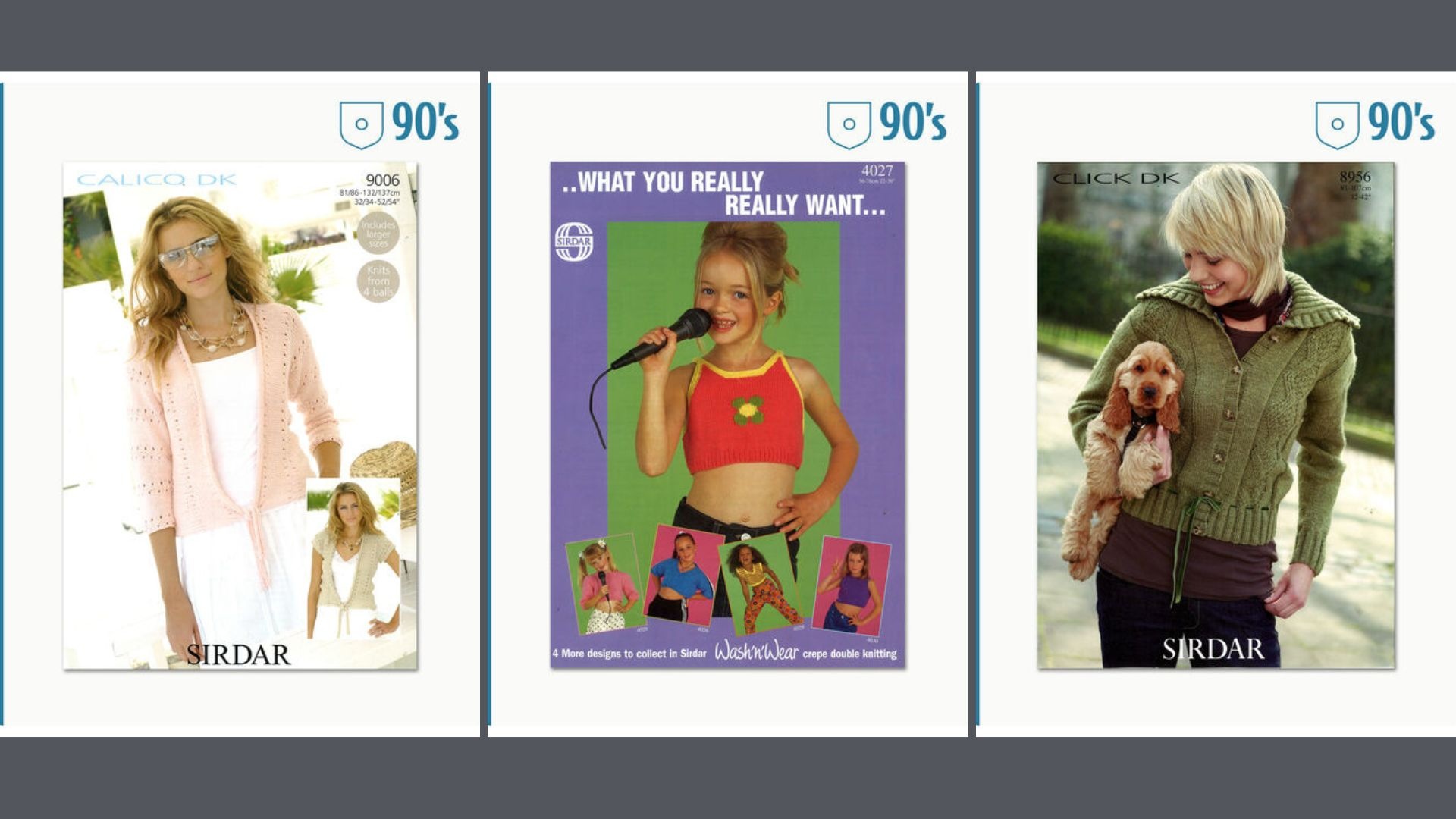
Some designs are remarkably timeless.
Others are unmistakably from their particular moment in fashion history—which is part of the fun.
Over the years, we’ve stocked many Sirdar patterns at SWAK and knitted quite a few of them ourselves, so you may even recognize a familiar design or two.
Sirdar’s heritage pattern archive makes many of these vintage designs available for download and includes helpful information for working from older patterns, where terminology, sizing, yarns, or needle information may differ from what we use today.
Why We Continue to Carry Sirdar
Sirdar yarns have appeared on our shelves for years because they consistently fill an important place in the yarn world: reliable, easy-care, affordable yarns backed by strong knitting and crochet pattern support.
There is also an advantage to buying yarn from a long-established company that produces much of its collection in-house. With fewer steps between production and the yarn shop shelf, pricing can remain surprisingly reasonable.
And that’s worth remembering: a lower price doesn’t automatically mean lower quality.
Several Sirdar yarns have become particular favorites at SWAK.
Jewelspun
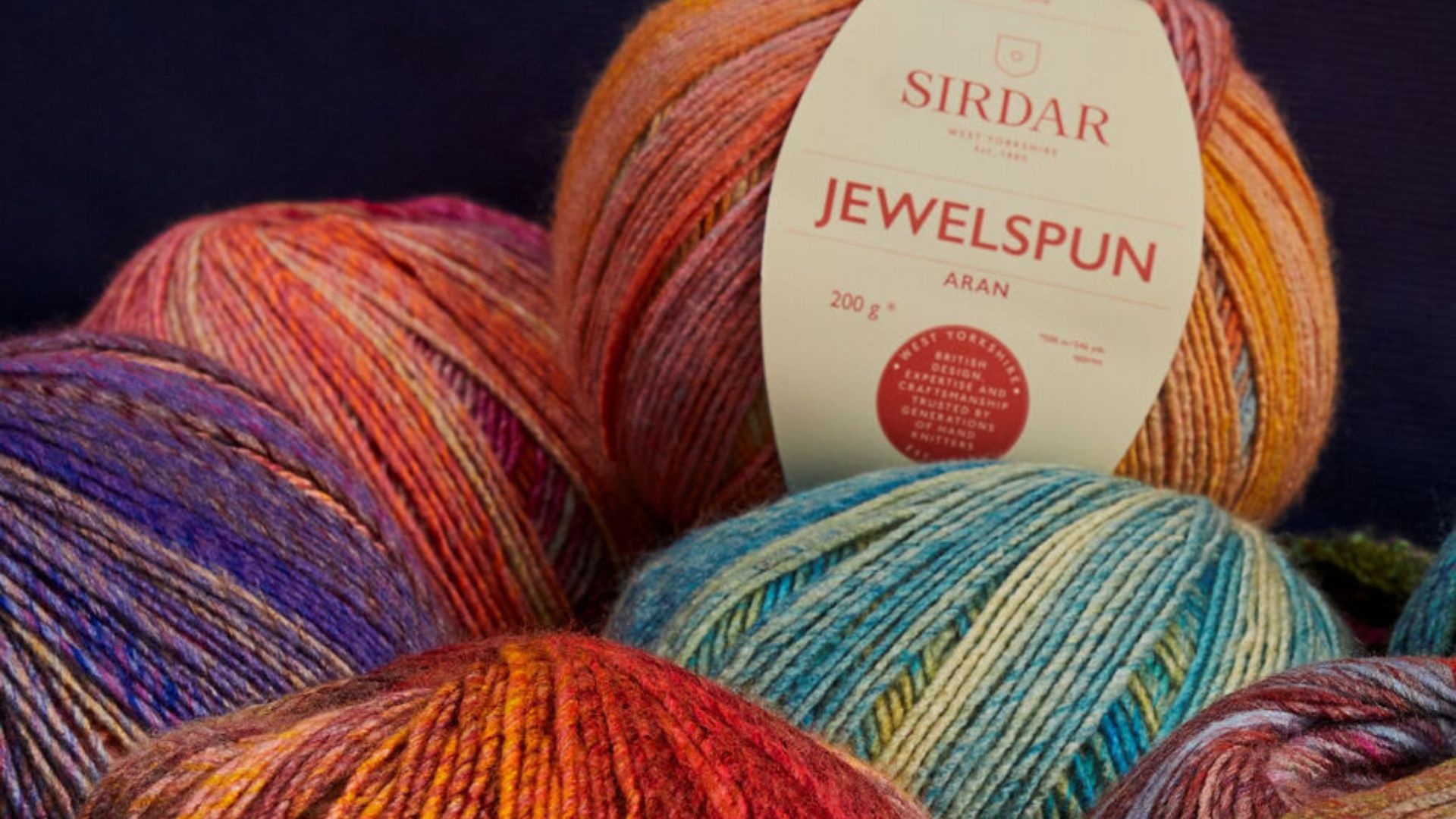
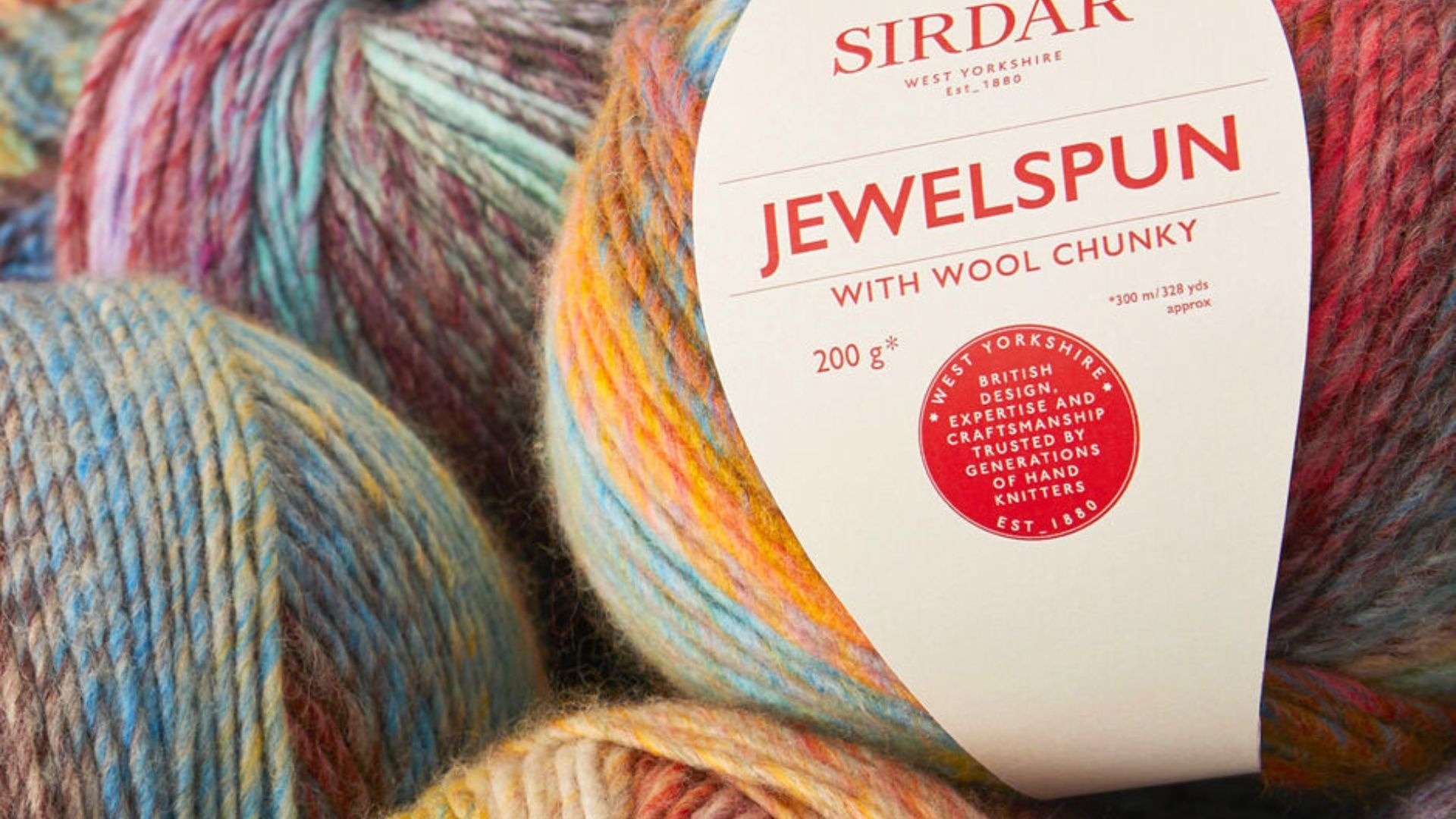
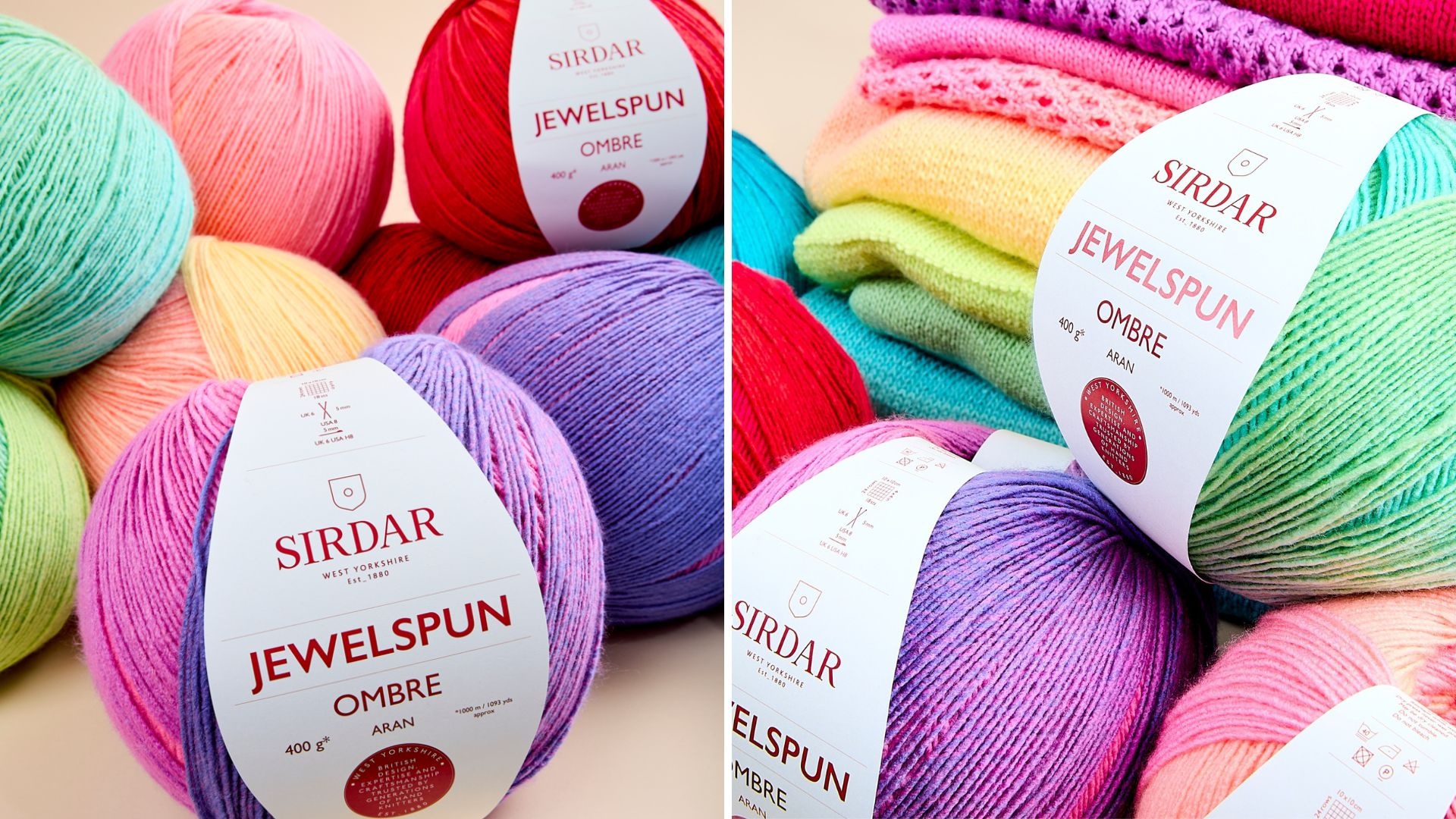
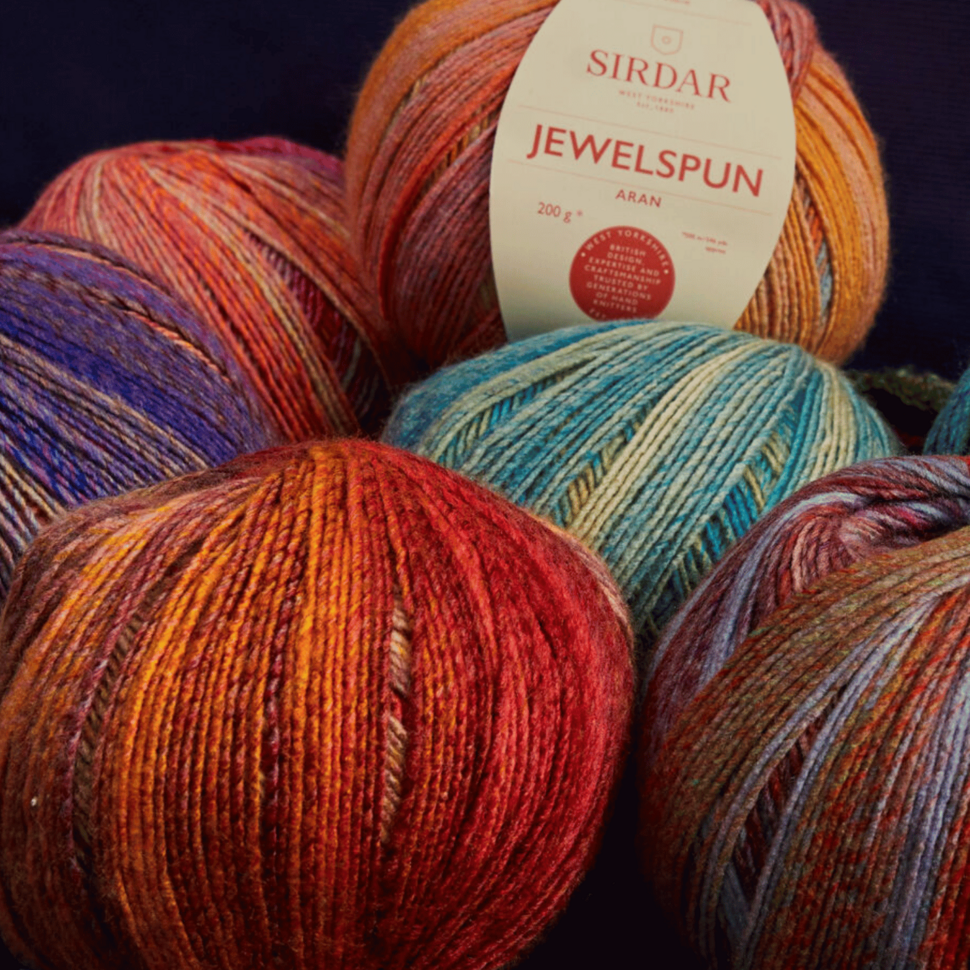
Sirdar Jewelspun is one of our best-selling yarns, and it isn’t difficult to see why.
Its shifting colors create the look of a hand-spun, hand-dyed yarn, with rich combinations that change as you knit or crochet. The original Jewelspun is an aran-weight yarn, while the collection also includes Jewelspun With Wool Chunky.
There are even oversized ombré skeins, Jewelspun Ombré, designed so the gradual color change can flow continuously through a project.
It offers plenty of visual drama without requiring you to change colors yourself—which is a rather nice arrangement.
Loveful: Rubbish Yarn, Quite Literally
Sirdar proudly describes its Loveful yarns as rubbish.
Literally.
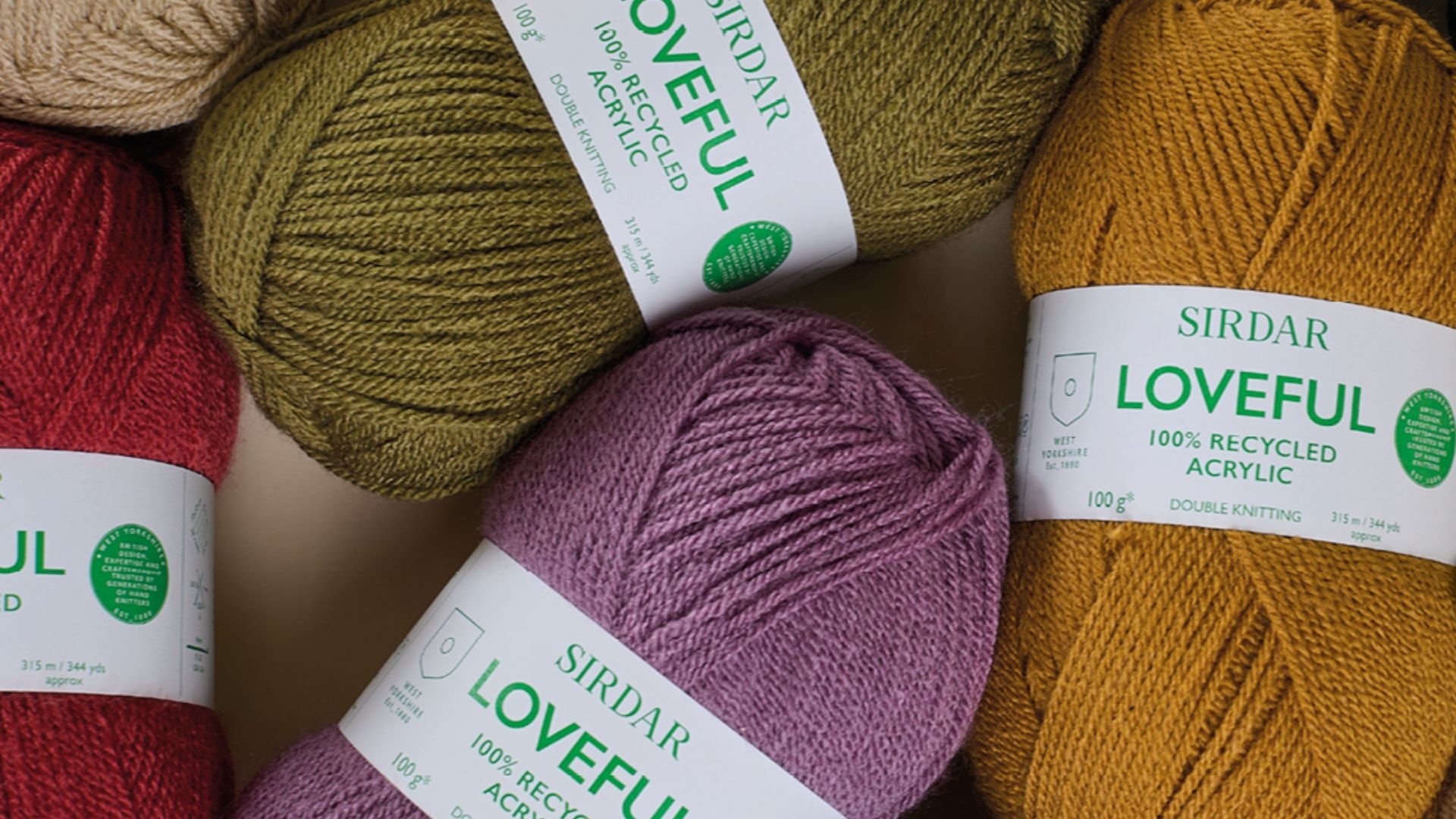
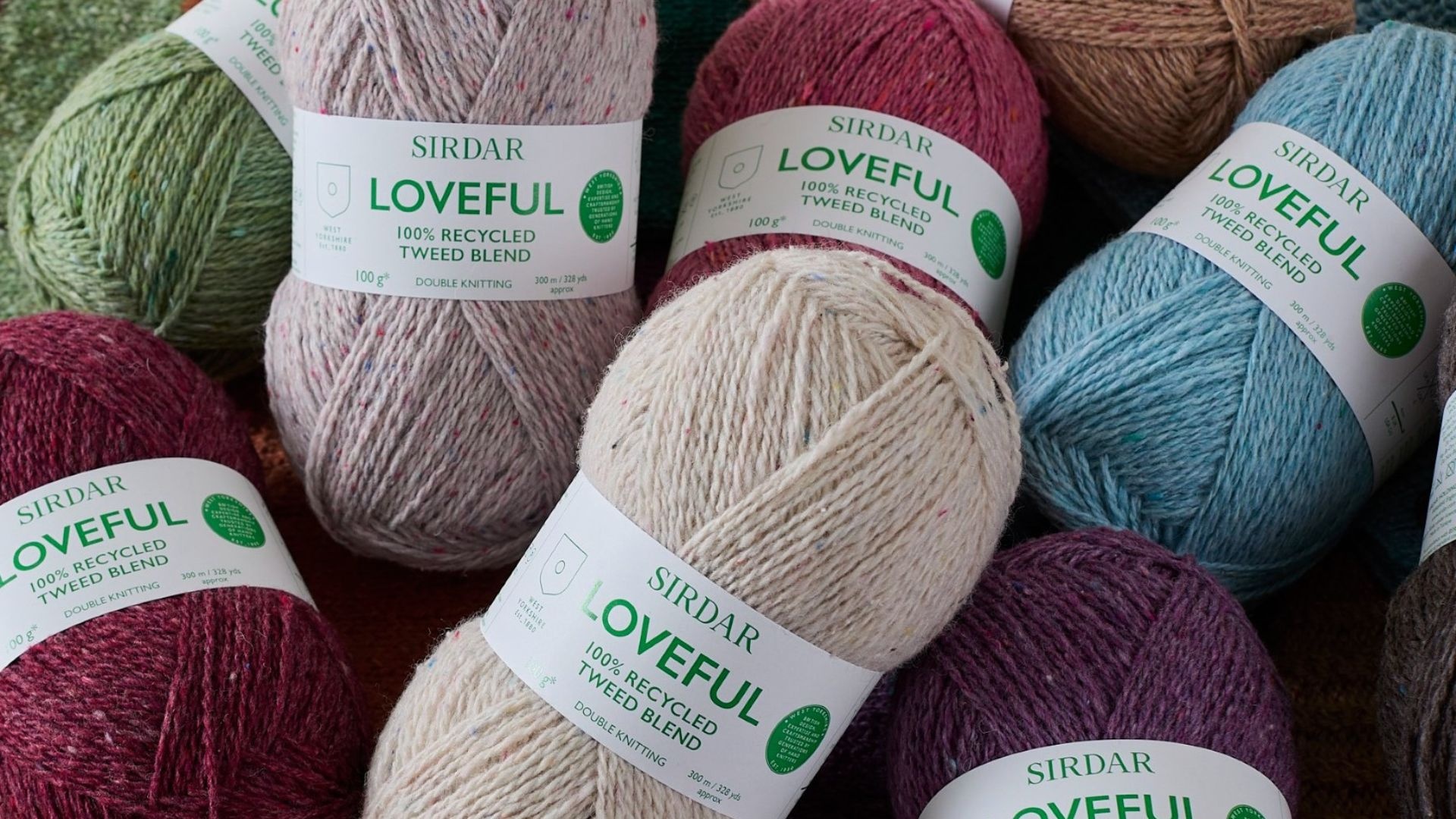
Instead of allowing usable fiber waste to head to the landfill, materials collected during the production of wool, acrylic, and polyester fibers are reclaimed and spun into new yarn.
The Loveful collection includes Loveful Recycled Acrylic, Loveful Tweed, and the new Loveful Bio Blend. The recycled acrylic and tweed yarns are spun from waste materials captured during fiber production, making each batch a little different, while Bio Blend takes the collection in a new direction with recycled polyester and innovative CiCLO® technology.
It’s a clever way to give material that would otherwise be discarded another opportunity to become something useful—and beautiful.
Hayfield
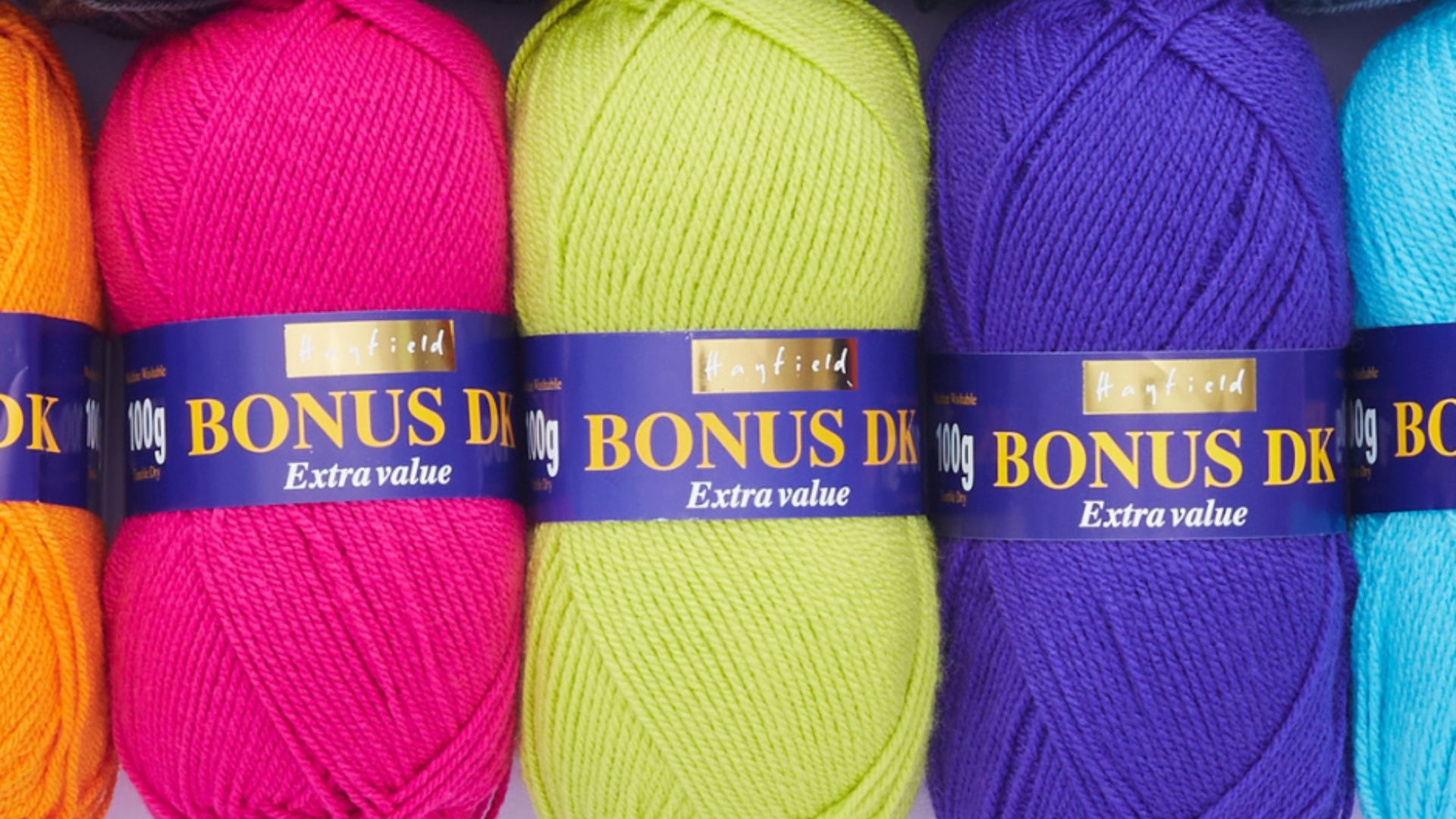
The Hayfield name also remains part of the Sirdar family as its budget-friendly range.
Hayfield Bonus DK is one of those wonderfully practical yarns that earns its place in a stash: easy-care, versatile, and useful for everything from garments and blankets to everyday accessories.
Pair it with Spirit DK, its colorful self-striping companion, and a simple project can suddenly look considerably more complicated than it really was.
We won’t tell.
More than 145 Years—and Still Designing for Makers
Perhaps one of Sirdar’s greatest strengths is that the company has never separated yarn from what knitters and crocheters actually want to make with it.
That tradition of design support continues today, with an extensive pattern library created specifically for its yarn collections. We stock printed patterns for Jewelspun here at SWAK, while Sirdar’s designs are also available digitally for both knitting and crochet.
From a Victorian-era spinning business to modern yarn collections made for today’s knitters and crocheters, Sirdar has spent nearly a century and a half adapting while keeping yarn production and design at the heart of the company.
That’s quite a lot of history wrapped up in a skein of yarn.
Prefer to watch?
Here’s the original Sirdar feature from 24 Days of SWAK.
Leave a comment
Recent articles
View all
Koigu
Alphabet Soup